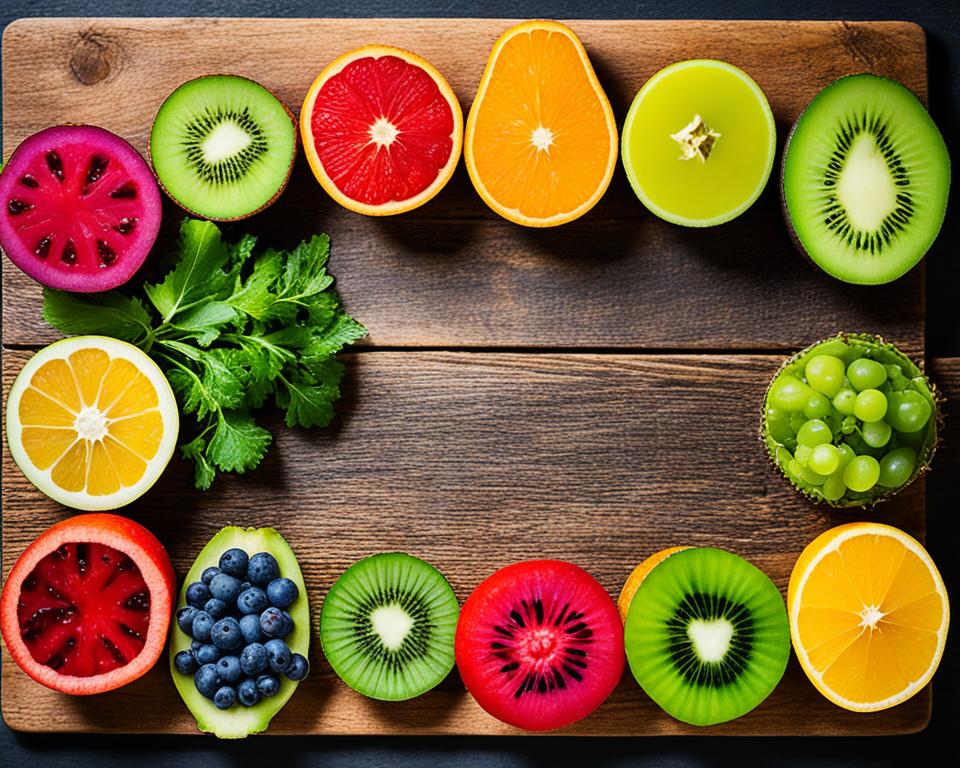
Did you know 11 million Canadians have diabetes or prediabetes? Managing diabetes is key. A low glycemic index diabetic diet helps. This diet looks at how foods affect blood sugar, with lower GI foods being better. Picking the right foods is crucial for your health.
A low GI diabetic diet picks foods that don’t spike blood sugar. Studies show it can help manage diabetes, lose weight, and improve heart health. Adding whole grains, fruits, veggies, legumes, and dairy with low GI to your diet can change your life.
Working with a Registered Dietitian is a good step. They can create a low GI plan for you. Also, checking your blood sugar helps you understand how different foods affect you. This makes managing your blood sugar easier.
Quick Recommendation; Our blog only gives tips on how to stabilize your blood sugar level naturally, however if you really want faster results we recommend GlucoBerry-Blood sugar offer!!
Understanding the Glycemic Index
The glycemic index helps manage diabetes with low GI foods. It was created by Dr. David Jenkins in the early 1980s. The index ranks foods with carbohydrates from 0 to 100 based on how fast they affect blood sugar. Foods like white rice and sugary drinks quickly raise blood sugar (high-GI). Foods like oatmeal and many fruits slowly release sugar into the blood (low-GI).
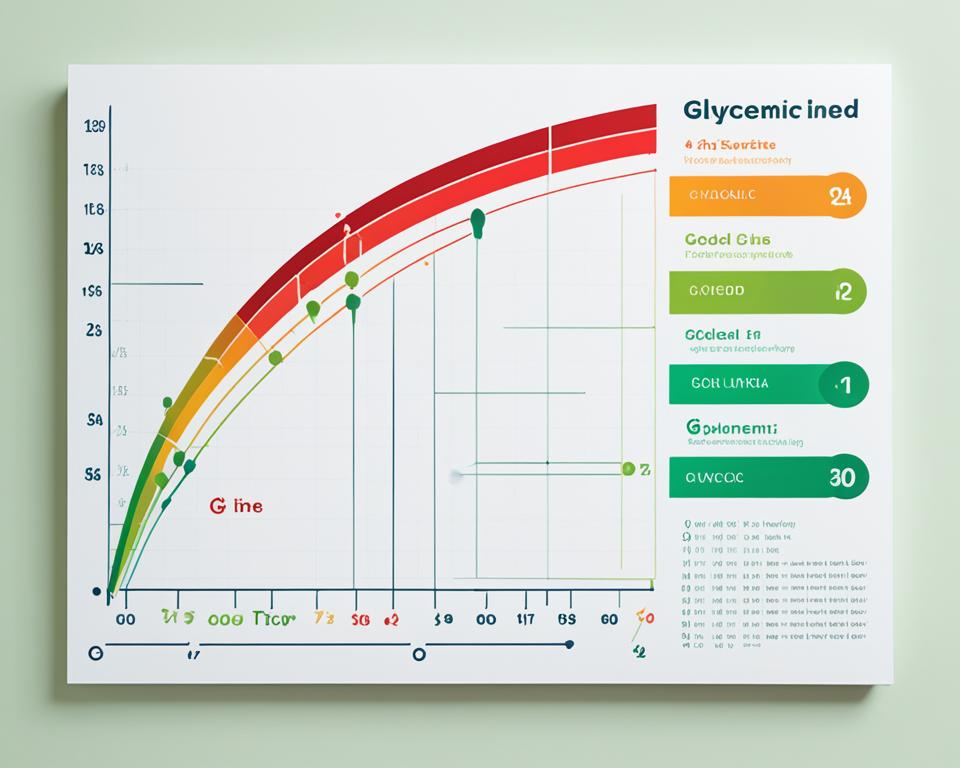
Knowing the glycemic index can keep blood sugar stable. High-GI foods spike blood sugar fast and can lead to weight gain and insulin resistance. These include items like pasta and corn (medium-GI) and beans and milk (low-GI), which help manage blood sugar better.
Diets focusing on the glycemic index are gaining popularity. They limit high-GI foods and promote low-GI items. Studies show people lose more weight eating low-GI diets than high-GI diets with the same calories.
If you’re vegetarian or gluten-free, you can still follow the glycemic index diet. You just need to make the right food swaps. The American Diabetes Association suggests that combining the glycemic index with carb counting can better control blood sugar.
The glycemic index aids meal planning for diabetes and prediabetes. It guides choosing low-GI foods, leading to steadier blood sugar. By selecting low-GI options, it’s possible to better manage diabetes and improve health.
Criteria for Selecting Low Glycemic Index Foods
Choosing low GI foods involves several key points. The type of sugar in the food matters a lot. Foods with fructose tend to have a lower GI than those with glucose or sucrose.
The starch structure is also important. Foods high in amylose, a resistant starch, often have a lower GI. Whole grains like barley, quinoa, and bulgur keep complex structures and thus have lower GI values.
How you cook your food matters too. Pasta cooked al dente has a lower GI than soft pasta. Foods rich in fat or fiber like nuts and legumes usually have a lower GI, which is good for low glycemic diets and diabetes.
The ripeness of fruits affects their GI value. Less ripe fruits, such as green bananas, have a lower GI. Choosing these can help you pick low GI foods.
Knowing about glycemic load (GL) is also crucial for managing diabetes and eating low GI. GL considers both the quality and quantity of carbs. Keeping your daily GL under 100 helps your blood sugar stay healthy.
Low Glycemic Fruits for Diabetes
Choosing the right fruits with a low glycemic index can help a lot with diabetes control. Fruits with GI values between 1 to 55 are best. For example, cherries have a GI of 20 and grapefruit of 25. They keep your blood sugar low.

Apples are great because they score a 39 on the GI scale. They are full of fiber and vitamins C and K. Strawberries are another good choice, with a GI of 41, they are a source of vitamin C and healthy antioxidants. Pears, with a GI of 38, are also high in fiber, which helps stabilize blood sugar. Oranges, at 40 on the GI scale, contain over 170 phytochemicals, which includes more than 60 flavonoids. All this makes them good for fighting inflammation.
Remember, fruits get less sweet and lower in the GI as they ripen. This means less ripe fruits might be better for managing diabetes. Eating a variety of low GI fruits not only gives you key nutrients but also keeps your meals interesting.
It’s not hard to find good recipes that use these healthy fruits. Consider dishes that mix cherries, pears, or plums. These won’t spike your blood sugar. But be careful with dried fruits like prunes and raisins. They are high in carbs, so eat them in moderation.
Think of your fruit choices as part of a larger health plan. Choosing low GI fruits can help lower your A1C, lose weight, and decrease fasting blood sugar. Opt for fresh fruits with low GI values. You’ll get the most health benefits and make your meals more enjoyable.
Vegetables with Low Glycemic Index
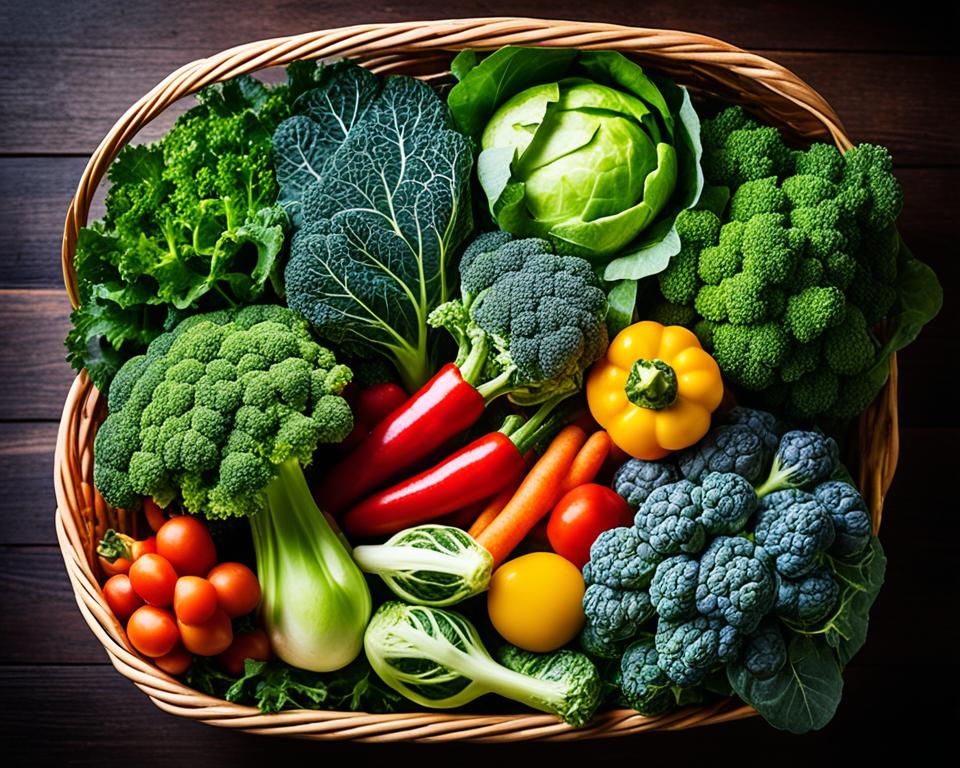
It’s vital to add *low GI vegetables* to your diabetes plan. They help keep your blood sugar steady and give your body the nutrients it needs. For example, spinach has just 1g of carbs in a cup and a study in the *Nutrition Journal* says it boosts how well your body uses insulin.
Tomatoes are a good choice too, with under 5g of carbs in a medium one and lots of vitamin C. They also contain lycopene, which is good for managing blood sugar. *Broccoli* is a crunchy veggie that’s low in carbs, high in vitamin C, and fiber.
Quick Recommendation; Our blog only gives tips on how to stabilize your blood sugar level naturally, however if you really want faster results we recommend GlucoBerry-Blood sugar offer!!
Cauliflower has 5g of carbs in a cup of raw pieces and is full of vitamin C and folate. Asparagus joins the *low GI vegetables* group with 7g of carbs per cup when cooked. It’s a great source of vitamins A and K. Zucchini is worth trying too. A study in *Food Chemistry: Molecular Sciences* says nutrients in zucchini might help your heart and fight some cancers.
Cabbage is good for your diabetes diet too, at 5g of carbs per cup with a lot of vitamin C. A 2020 review in *Antioxidants* showed it can help your heart and keep your blood sugar from spiking.
Don’t forget about green beans. They’re full of fiber and vitamins C and A, which are great for your blood sugar. Including a mix of these fresh, frozen, or canned veggies in your meals ticks all the boxes for a healthy, diverse diet. This is just what the American Academy of Nutrition and Dietetics recommends.
Whole Grains to Include in Your Diet
Adding whole grains to your meals helps manage blood sugar levels. Good choices are barley, bulgur, steel-cut oats, and whole grain pastas. These grains digest slowly, keeping blood sugar rises gradual. This also means you get a steady energy supply for the day.
Too much white rice can up the risk of diabetes. But, eating two brown rice servings a week can help lower this risk. If you swap some white rice for brown, the risk could decrease by 16%. Whole grains like bulgur might cut this risk by up to 36%.
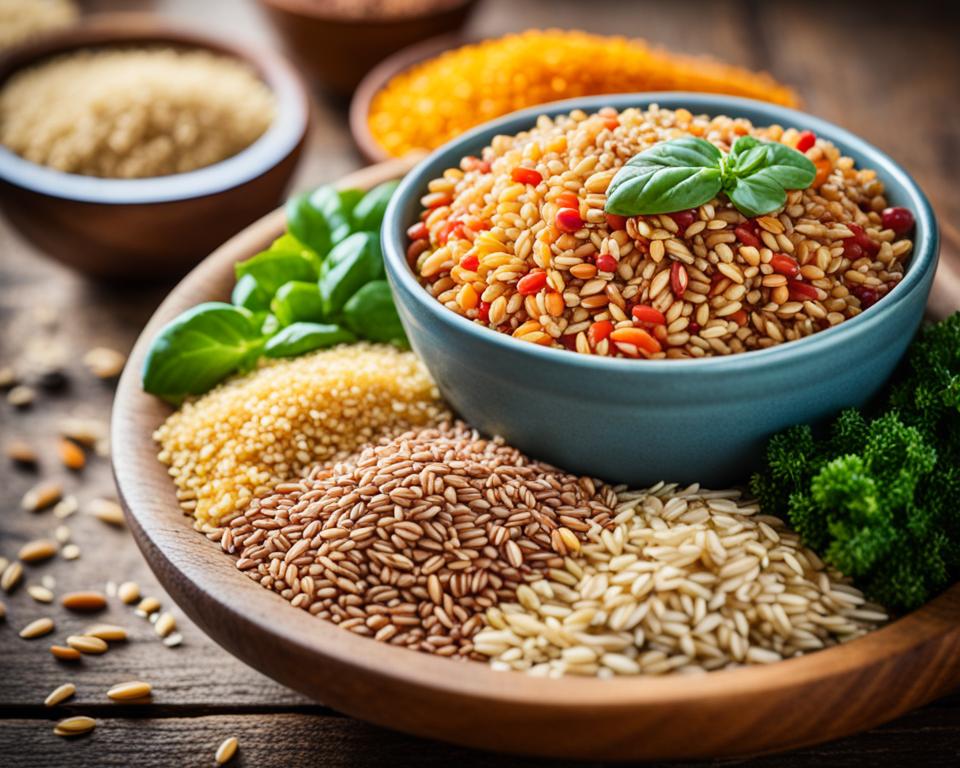
Bulgur is great because it’s really high in fiber. Each cooked cup has 8.2 grams, which is about 32% of what you need daily. Oats have been shown to lower A1C and cholesterol levels, making them a smart choice too.
Having buckwheat for breakfast can make a big difference. It boosts your glucose tolerance all the way until lunch. Buckwheat is rich in fiber and essential nutrients. Farro offers similar benefits, making it perfect for a healthy morning meal.
Quinoa and wheat berries are also great choices. They’re high in fiber and protein. Including barley helps improve metabolism, insulin sensitivity, and keeps your appetite in check.
Foods made mostly of whole grains are very good for you. They can lower the risk of heart disease, stroke, cancer, and diabetes. The UK suggests three whole grain servings daily. Good gluten-free options are brown rice, quinoa, and buckwheat. Plus, popcorn is a healthier snack than regular crisps.
Low Glycemic Index Diet Plan for Diabetics
It’s crucial for people with diabetes to eat foods with a low GI. This helps keep their blood sugar stable. A good diet plan includes green leafy vegetables, whole fruits, whole grains, legumes, and healthy snacks. These foods have a low glycemic index, which is best for diabetes control.
Eating different low GI meals does more than control blood sugar. It can lower your total cholesterol and bad cholesterol too. For diabetics at risk of heart problems, this is great news. This diet might also help with losing weight and body fat. But we need more proof to be sure it really works over time.
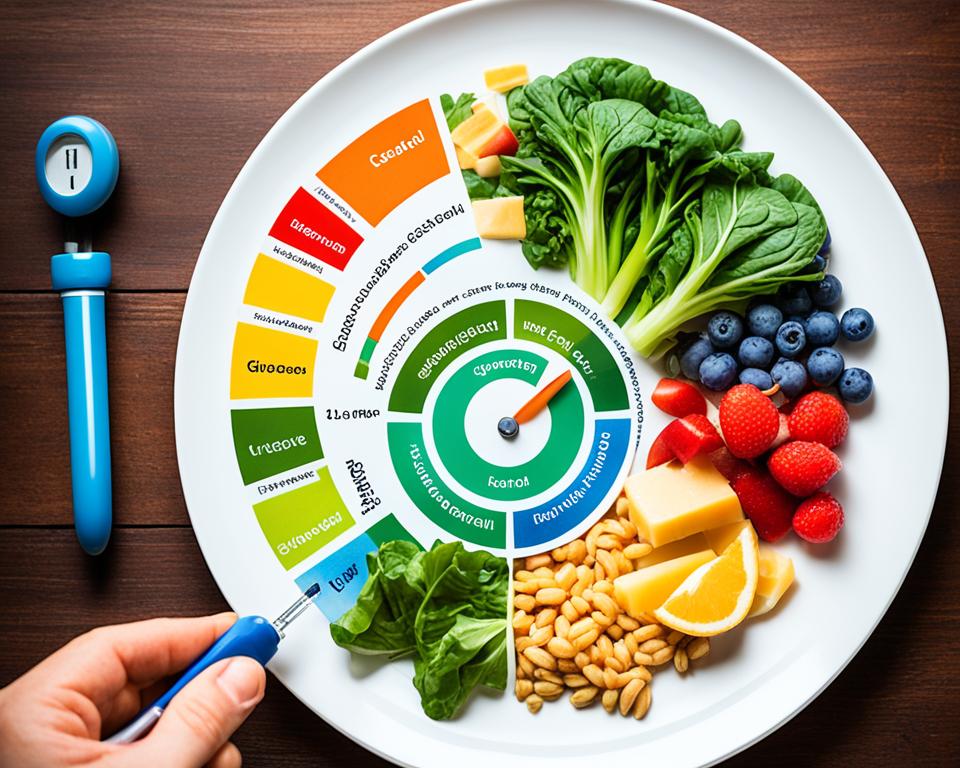
Remember, the Glycemic Index doesn’t talk about how much you eat. So, watching your food portions is still important on this diet. Add in regular exercise for better results. Working with a dietitian and checking your blood sugar often can make your diet plan even better.
Quick Recommendation; Our blog only gives tips on how to stabilize your blood sugar level naturally, however if you really want faster results we recommend GlucoBerry-Blood sugar offer!!
Our 7-day menu is full of low-GI meals for every time of day. Cooking doesn’t take too long, and the food is healthy. Portion sizes are also mentioned to help you eat the right amount. If you need more help, see a Dietitian. They can adjust the plan just for you.
Nutritious Legumes and Pulses
When you think of nutritious legumes for diabetes, think chickpeas, lentils, and kidney beans. They rank high for people with diabetes. These foods help keep blood sugar stable. That makes them key in any diabetic eating plan.
Chickpeas are full of good nutrition. A cup of cooked chickpeas has 269 calories. It also holds 14.5 grams of protein and 12.5 grams of fiber. This fiber is great for blood sugar control. Lentils are similar in being a nutritional powerhouse. In a cup of lentils, you get 230 calories, 17.9 grams of protein, and 15.6 grams of fiber.
Peas, kidney beans, and black beans are also rich in nutrients. A cup of cooked peas gives you 134 calories, 8.58 grams of protein, and 8.8 grams of fiber. Kidney beans and black beans are equally good. Kidney beans have 225 calories, 15.3 grams of protein, and 13.1 grams of fiber in a cup. Black beans offer 227 calories, 15.2 grams of protein, and 15 grams of fiber in a cup.
Soybeans and pinto beans are great, too. Cooked soybeans have 296 calories and an impressive 31.3 grams of protein in a cup. Pinto beans give you 245 calories, 15.4 grams of protein, and 15.4 grams of fiber in a cup.
If you want to benefit from these foods, include them in your meals. Use them in soups, salads, or stews. They can help you keep your blood sugar stable. Also, remember to cook pulses like kidney beans and soybeans well. This step is important to remove toxins. Lentils and split peas, however, are safe to cook without soaking first.
Healthy Nuts and Seeds
Adding healthy nuts and seeds to your diet can make a big difference if you have diabetes. They’re full of good fats, fiber, and protein. This mix helps keep your blood sugar steady and boosts your health. Great options include almonds, pistachios, walnuts, and flaxseeds.
Nuts and seeds have a low Glycemic Index (GI) since they don’t have much carbohydrate. This makes them perfect for those aiming for a low GI diet. Such diets can control blood sugar, reduce type 2 diabetes risk, and help with staying at a healthy weight. Adding these nuts to your daily meals is a smart move for your health.
Almonds are known to keep blood sugar in check and lower heart disease risk. Pistachios have benefits for diabetes, and walnuts can help you feel full, which supports weight loss and lessens type 2 diabetes danger. Peanuts are good as well, aiding blood sugar balance and heart health by cutting down bad cholesterol.
To create low GI meals, add an assortment of nuts and seeds to salads, yogurt, or enjoy them as a snack. It’s wise to stick to a 1-ounce serving because they’re packed with nutrients but also calories. This way, you get all their goodness and keep your diabetes well managed.
Low Glycemic Snacks for Diabetes
Choosing the right snacks is key in diabetes management. Picking low glycemic snacks helps keep blood sugar stable. Foods with a GI below 55 are low, 56-69 are moderate, and 70+ are high. Snacks with a low glycemic load of 0 to 10 are perfect for managing diabetes well.
Some great low glycemic snacks are raw veggies with hummus, with a GI of 6 to 15. Low GI fruits like apples, oranges, and blueberries help keep blood sugar down. You can also enjoy whole grain crackers with peanut butter, a protein-rich, low GI snack.
Unsweetened Greek yogurt and cottage cheese are high in protein and low glycemic. Avocado on whole grain bread is another nutritious choice. Popcorn is a good, crunchy, and low GI swap for chips. Berries like strawberries and raspberries are sweet, healthy choices too.
For a protein boost, beef jerky is a great option. Roasted chickpeas offer both fiber and protein. Chia seed pudding and edamame are good fiber-rich snacks. Choosing snacks with lots of fiber and protein helps keep blood sugar levels from spiking too quickly.
Integrating these low glycemic snacks can really help with diabetes. Be sure to watch your portion sizes to avoid overeating.
Conclusion
Switching to a low glycemic index diet can really help those with diabetes. This diet focuses on foods that don’t raise blood sugar quickly. It includes fruits, veggies, whole grains, and more. By eating these, you can manage your blood sugar better.
Research shows the benefits of these diets. Studies by Reis et al. (2011) and Jenkins et al. (2012) found they help control blood sugar and lower the risk of heart disease. Gomes et al. (2017) showed these diets can also reduce body fat and lower inflammation in type 2 diabetes patients.
Talk to your doctor about how to make this diet work for you. With their help, you can choose the right foods, learn how to eat better, and see the best results. Remember, staying active and watching your carb intake are also key to managing diabetes well.
By following the tips in this guide, you can work towards improving your health and diabetes control.
Quick Recommendation; Our blog only gives tips on how to stabilize your blood sugar level naturally, however if you really want faster results we recommend GlucoBerry-Blood sugar offer!!