
In 2019, a whopping 45 million Americans tried to shed some pounds. But guess what? Only half of them kept the weight off in the long term. This shows how tough it can be to figure out the right way to lose weight.
The road to a healthy life is filled with myths that can lead us astray. Our goal here is to bust some of these myths. By learning what really helps you lose weight, you can make smarter choices for your health.
Now, let’s look into weight management facts. We’ll sort out the truth from the myths. And give you practical tips to help you live healthily and sustainably.
Quick Recommendation: Our blog only gives tips and tricks about losing weight by dieting, however if you are looking for faster results we Recommend Ikaria Juice.
Understanding Diet Myths and Misconceptions
Diet myths and misunderstandings often influence our eating patterns. They can lead us away from a healthy diet by making us choose foods poorly. Making informed choices about our meals is key for good health.
Many believe that carbs are all bad. But, the 2020–2025 Dietary Guidelines for Americans suggest otherwise. They say we should eat grains, especially whole grains, for a balanced diet.
People also get confused about fats. Eating less than 10% of daily calories from saturated fats is wise. Yet, not all fats are harmful. Healthy fats from olive oil, nuts, and avocados are good for our hearts.
Some think full-fat dairy is bad for you. But fat-free or low-fat dairy items are just as nutritious, with fewer calories. Health experts advise three servings a day of low-fat dairy for adults.
There’s a common thought that consuming less and moving more will solve all health issues. The advice is to get 150 minutes of moderate exercise weekly. But, for serious weight problems, this simplified approach might not work.
It’s important to follow advice that’s backed by evidence. A diet low in carbs can help with weight loss without counting calories. This shows how making thoughtful food choices can benefit our health. By letting go of these myths, we can choose a path of healthy eating for life.
The Truth About Skipping Meals
Skipping meals won’t make you lose weight like many think. In fact, it might make you eat more later on. When you skip meals, your body could end up even hungrier. This can lead to eating too much next time you do eat.
It messes with your metabolism too. Your body might start saving more fat because it thinks food is scarce. This is its way of preparing for future food shortages.
Not eating at regular times can really mess up your blood sugar levels. A steady blood sugar level is key to keeping your energy up and your cravings down. Fluctuations can cause you to feel moody, tired, and more tempted by unhealthy foods.
So, what’s the real key to weight loss? It’s sticking to a healthy diet that includes all the important nutrients. Also, make sure to exercise often. This way, you burn calories and build muscle, which helps keep your metabolism on track.

Are Carbohydrates Really the Enemy?
Carbohydrates often get wrongly blamed for weight gain. But not every carb is bad. The idea that carbs are always harmful is not true. Eating the right carbs can be great for your health.
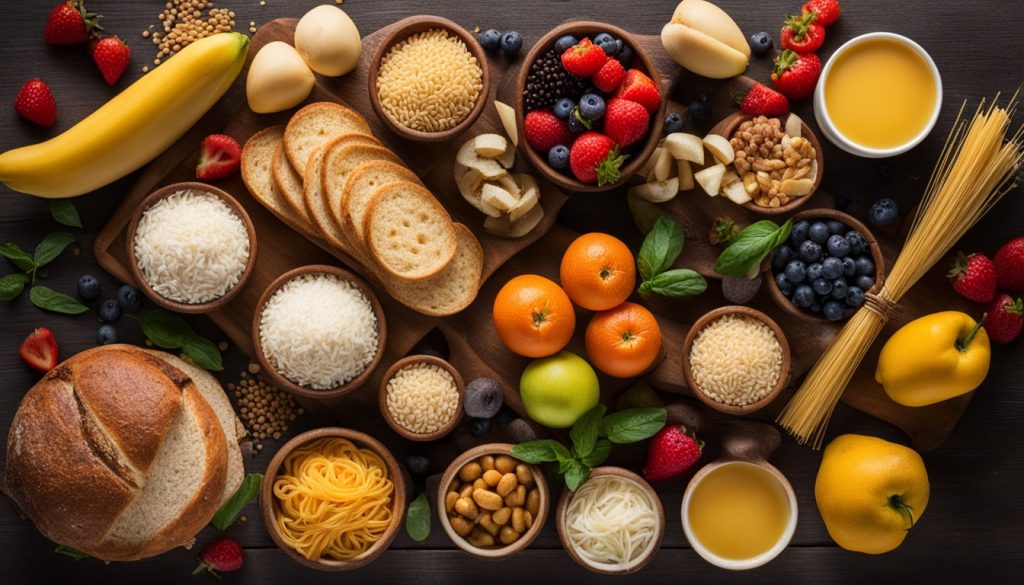
Simple carbs like sugar and processed grains cause quick energy ups and downs. On the other hand, complex carbs found in whole grains, legumes, and veggies digest slowly. They give you lasting energy, which makes them a crucial part of your diet.
Whole grains are an excellent option. They’re full of fiber, which aids digestion and keeps you full. Adding these and other complex carbs to your diet helps with stable energy levels. This, in turn, stops overeating and helps control your weight.
Maintaining a daily calorie deficit of about 500 calories is important for losing weight. So, keep an eye on your overall calorie intake. This is more critical than when you eat your carbs.
Good carbs are also a source of essential vitamins and minerals. They boost your physical performance and help your muscles grow. Including the right carbs in your diet is key to a healthy lifestyle and meets your weight loss needs.
Low-Fat or Fat-Free Products: Are They Better?
Many think that going for low-fat or fat-free items is key to shedding pounds. But, it’s not that simple. These diet foods cut out fat but often add more sugar or chemicals for taste. This change might harm your health goals and even hurt your weight loss.
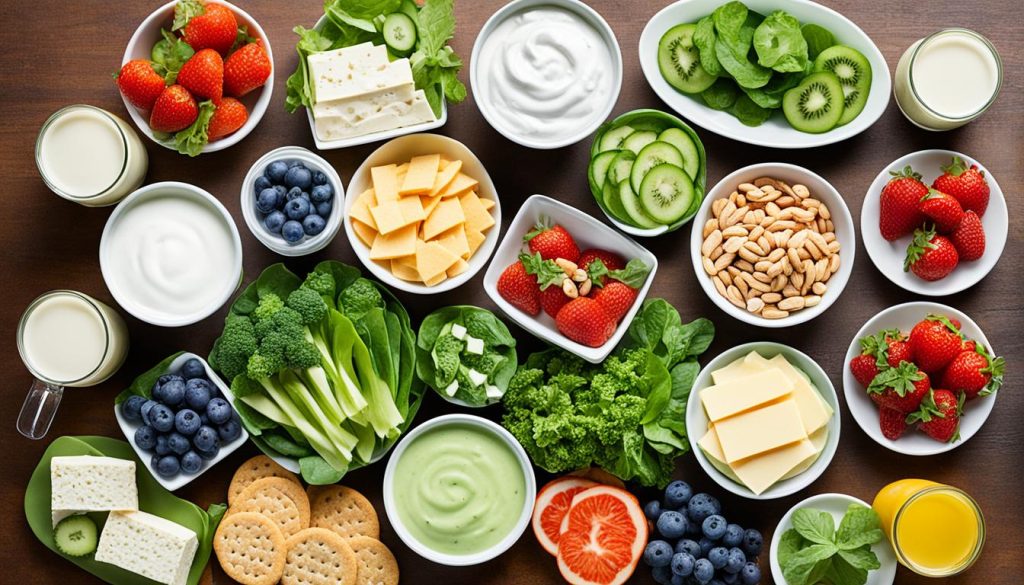
Old-school low-fat or fat-free foods, from the 80s and 90s, are already out of date. They can have more sugar or salt than the full-fat versions. The 2020–2025 dietary guidelines for Americans say the average person eats too much sodium, going over the recommended limit.
Healthy fats are often left out of the conversation. They’re needed for important roles like protecting organs and helping vitamins get absorbed. Just focusing on low-fat or fat-free labels might not be ideal for your health or losing weight.
The smart move is to choose good fats over bad ones. Things like avocados, nuts, and olive oil are great for you. They deliver healthy fats without the drawbacks of extra sugar or chemicals. This approach can help you feel full and improve your nourishment while working on losing weight.
How Effective Are Weight Loss Apps?
Weight loss apps are very helpful in today’s world. They offer a range of tools for diet and fitness. These tools can really boost how you lose weight. You get personal meal plans, can watch your calories, and find exercises that fit your goals. Plus, you can track your progress, get reminders to stay motivated, and join communities for support.
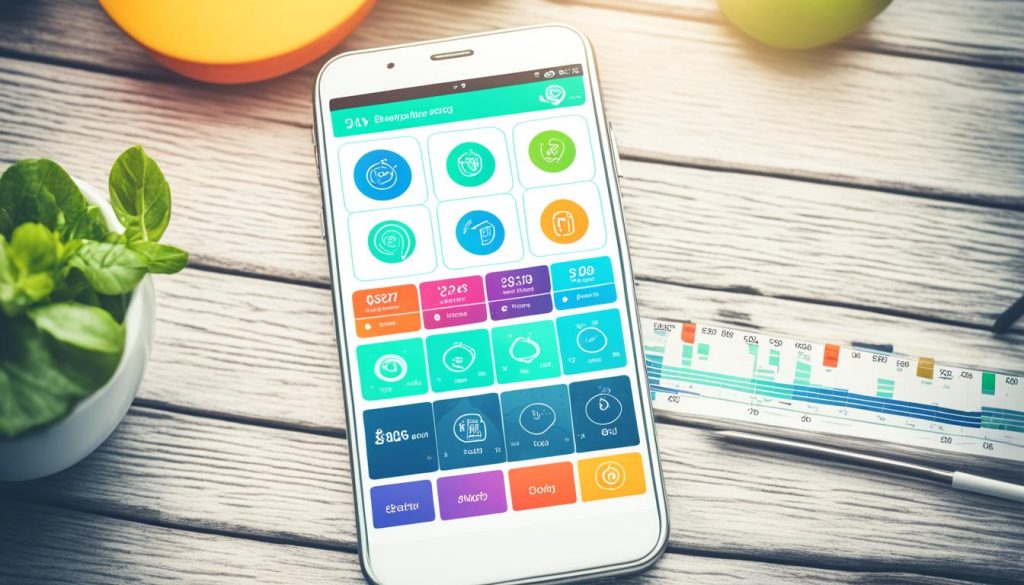
A big plus of these apps is how they help you watch your calories. By keeping track of what you eat and what you burn, you can stay in a calorie deficit. This is key for losing weight. Apps like MyFitnessPal make it easy with their big food databases, helping you log meals and watch nutrients closely.
Many apps also sync with fitness wearables like Fitbit. This means you can keep an eye on your workouts, sleep, and stress levels. All these factors play a part in staying healthy and managing your weight. With Fitbit, you can get better sleep and cut down on stress with options that cost between $9.99 to $79.99.
If tracking calories isn’t your thing, apps like Noom and WeightWatchers might be more up your alley. They have over 1 million food items and over 13,000 recipes. These apps focus on eating everything in moderation and choosing food that’s healthy. They show you don’t have to cut out entire food groups to lose weight.
Lastly, these apps help you stay on track. By tracking your progress, you can see how far you’ve come. Being part of the app’s community can also provide a big morale boost. You can share tips, recipes, and cheer each other on. Prices for these support apps range from $4.99 to $199.99, to suit different budgets.
The Role of Snacks in Weight Loss
Healthy snacking is key for losing weight. Choosing the right snack choices can help control hunger. It stops you from overeating during meals. We will show you how this simple strategy can change your diet for the better.

The Dietary Guidelines for Americans tell us to pick whole grains for snacks. Foods like brown rice cakes or whole-wheat crackers keep diets balanced. Snacks should be low in bad fats and full of nutrients. For example, a few almonds or some Greek yogurt are smart choices. They give you what you need and help you not feel hungry.
Protein snacks are also great for you. Things like hard-boiled eggs or lean turkey slices are excellent. They help your muscles and make you feel full. Adults should have fat-free or low-fat dairy daily. Cheese sticks or low-fat milk are good snack options.
Fruits and veggies make great snacks for weight loss. Snacks like apples with peanut butter or carrots with hummus are good. They mix fiber and healthy fats, keeping you full and energized. Making smart snack choices means tasty food that also helps your health goals.
Adding these smart snack choices to your day can help you keep a healthy diet. A balanced dietary strategy will manage your weight well. Losing weight is not just about eating less. It’s about eating the right foods to stay energized and satisfied.
The Myth of Exercise Alone Being Enough
Exercise is great for many reasons, but it won’t fix everything. Some think working out hard is enough to lose weight. But the reality is more complex. To lose weight well and keep it off, you must mix in a healthy diet with your exercise.
As per the Physical Activity Guidelines for Americans, 2nd edition, you should move at a moderate pace for 150 minutes each week. You can split this into small 10-minute chunks. This makes it simpler to fit into your daily life. Yet, remember to eat fewer calories than you burn. This is key for losing weight. A solid health and fitness plan combines eating right and staying active.

Just working out isn’t the whole story. To drop weight, you should also eat smart. This means choosing whole grains, keeping saturated fats low, and getting enough low-fat dairy. These food choices can boost the results you see from your workout.
Quick Recommendation: Our blog only gives tips and tricks about losing weight by dieting, however if you are looking for faster results we Recommend Ikaria Juice.
Research shows that a vegetarian diet can help fight obesity and heart disease. It shows that balance is essential. You need to eat well and move your body.
No one thing will magically make the weight disappear. But, by mixing regular workouts with a good diet, you can reach your weight goals. This approach supports lasting weight loss.
Exploding the Myth of Fat-Burning Foods
Many folks think some foods or supplements can burn fat quickly. But the truth is often different. Losing weight well needs a good diet and knowing your calories. One study saw folks on a keto diet lose more in the first ten days. However, this was mainly water weight.
No single food or supplement will magically burn fat. For example, people might cut out gluten to avoid weight gain. But, one-fourth of us buys over ten thousand gluten-free items without them all being good. Most foods for kids are seen as ‘unhealthy’, being gluten-free or not.
Fiber is a key player in a healthy diet. A group eating more fiber expelled twice as much fat as another group. Fiber helps stop some calories from being absorbed. So, it’s better to eat foods high in fiber than chase after fat-burning labels.
Checking your weight often can help you eat fewer calories to lose weight. A study found that those who weighed themselves twice a day managed their weight better. This way, you get constant reminders to watch what you eat.
Instead of looking for miracle fat-burning foods, add healthy fats to your meals. Avocados, nuts, and salmon, according to Harvard, can help you feel full longer. This is part of a strategy that really works over time.
To lose weight well, it’s not about special food or pills. It’s a whole lifestyle. This involves eating well and moving often. While quick fixes seem tempting, a steady, healthy path is what truly works in the end.
Debunking Common Diet Myths: What Really Works for Weight Loss
It’s vital to crush diet myths to see real results in weight loss. Instead of jumping into fad diets or quick fixes, focus on lasting dietary changes. Slow changes lead to success over time and help keep off lost weight.
Dr. Scull notes that those with obesity face strong urges to eat. This is due to their body making them feel hungry more and full less. Managing your weight needs ongoing care and informed choices. Combining this with working out not only boosts your heart and muscle health but also keeps your weight down. This highlights exercise’s essential part in weight control.
Hunter’s research underlines the big wins from mixing exercise with a balanced diet, like better blood sugar and lower diabetes risk. It shows the power of a well-thought-out diet and exercise plan.
Eating slightly less, about 500-750 calories fewer each day, can steadily drop your weight by 1-2 pounds weekly. It’s key to pick complex carbs over simple ones to stay full and get nutrients. Before meals, drink water to curb overeating.
Everyone’s metabolism is different. Things like your age and body shape affect how fast you burn calories. So, a custom plan is better for weight loss. Getting enough sleep also makes a big difference. It balances your hunger hormones and fights weight gain.
To sum up, lasting weight loss comes from small diet changes and regular exercise. This way, you can reach and stick to your weight goals with care and smart choices in what you eat and how you move.
Conclusion
Starting a journey to lose weight needs more than just wanting it. You must understand what you eat. This helps you pick the right diet, based on facts, for success.
Getting healthier by losing weight is more than eating fewer calories and working out more. It’s about making choices that fit your life and what you want for your future.
We’ve talked a lot about what really matters when you want to lose weight. Eating well, like choosing whole foods, good carbs, and the right fats, is key. Say no to diet trends and the idea you can lose weight from just one part of your body.
Remember, being active and eating healthily is the best way for true, lasting change.
Everyone’s journey to lose weight is different. But knowing the truth about diets can help you make smart choices. Keep clear in your decisions, focusing on your health now and over time.
Quick Recommendation: Our blog only gives tips and tricks about losing weight by dieting, however if you are looking for faster results we Recommend Ikaria Juice.